
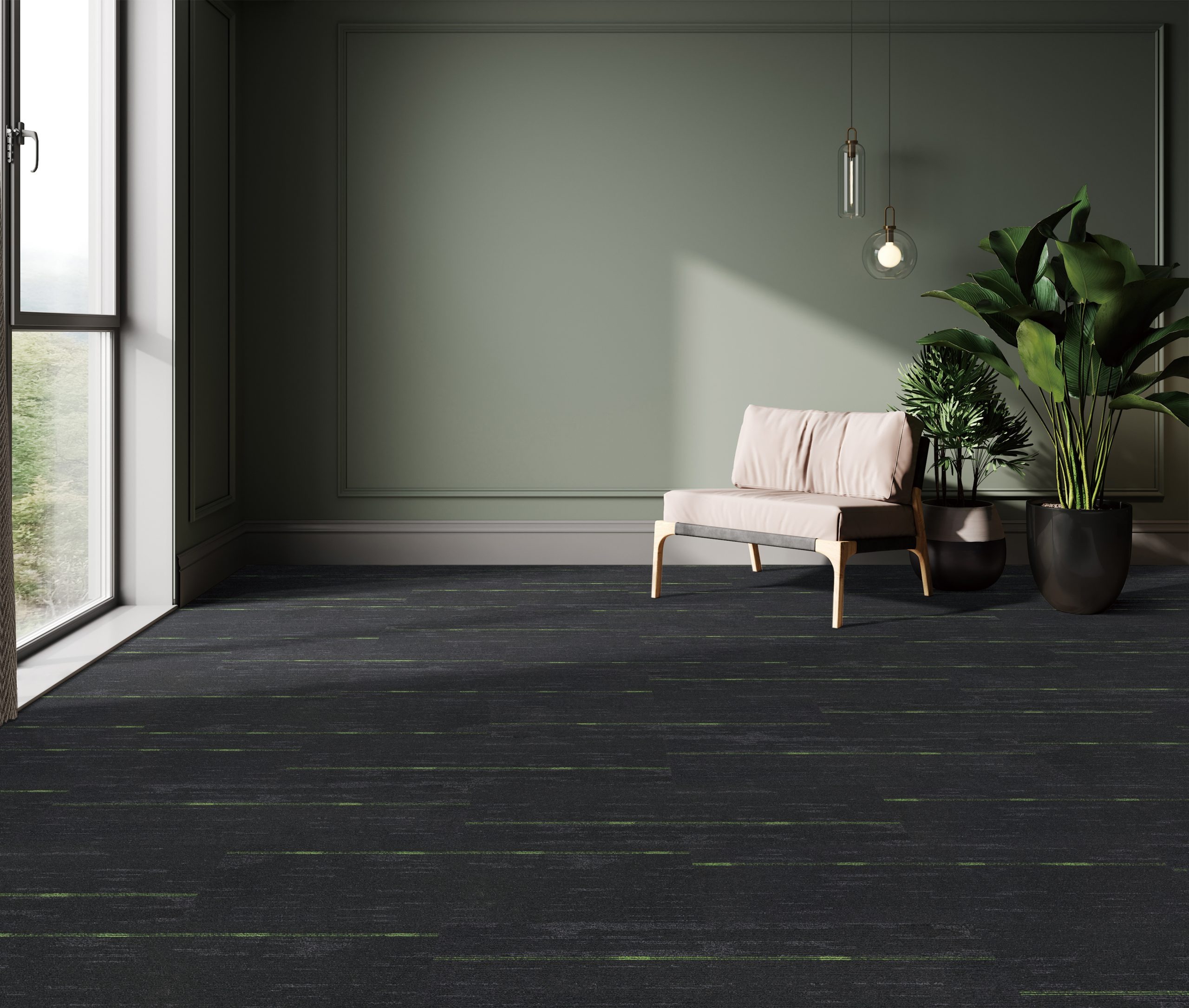
Bedroom carpet underlay is positioned between the carpet and subfloor. Its specification affects the finished floor’s cushioning, acoustic behaviour and thermal resistance. It also influences how the carpet responds to pressure from everyday residential use.
Choosing carpet underlay for bedroom requires more than comparing product thickness. Density, firmness, carpet construction and the condition of the subfloor all influence the appropriate specification.
How Does Underlay Affect Carpet Performance
Underlay provides a resilient layer beneath the carpet backing. This changes how pressure from footsteps and furniture transfers towards the subfloor. A suitable product helps limit excessive compression of the carpet structure. This is relevant in areas exposed to repeated loading, including beds, wardrobes and frequently used walkways.
The main carpet underlay benefits include:
- Greater resilience beneath the carpet
- More controlled compression under repeated loading
- Reduced transmission of impact towards the subfloor
- A degree of tolerance for minor surface irregularities
- Additional resistance to heat transfer
- Improved absorption of airborne and impact sound
The Carpet Institute of Australia recommends underlay with firm, resilient characteristics rather than excessive softness. An unsuitable product may allow greater movement and compression beneath the carpet. Underlay therefore needs to complement the carpet construction. Its role extends beyond making the surface feel softer underfoot.
Why Does Carpet Underlay Matter for Bedroom Acoustics and Temperature
Bedrooms benefit from controlling sound generated within the room. Footsteps, furniture movement and other impacts transfer energy through flooring materials. Carpet and underlay help absorb this energy before it reaches the surrounding structure.
The Carpet Institute of Australia identifies carpet with underlay as providing greater sound absorption than carpet alone. Its guidance also links carpet flooring with reduced impact noise and room echo. Thermal resistance presents a separate consideration. Carpet fibres contain air within the pile, which limits heat transfer through the floor. Underlay adds another insulating layer beneath that structure.
The benefit depends on the construction of the complete flooring system. A bedroom above an unheated space may have different thermal requirements from a room over an internal living area. This makes comfortable flooring applications for bedroom a matter of selecting materials for the room’s actual conditions rather than choosing based on softness alone.
What Technical Factors Should Guide Carpet Underlay Selection
Thickness provides limited information about underlay performance. Two products with similar dimensions may behave differently because their density, composition and resilience differ.
Several specifications deserve attention:
- Density: Indicates how much material occupies a given volume and helps distinguish product construction
- Firmness: Shows how the material responds to compression under load
- Thickness: Affects floor height and the available cushioning beneath the carpet
- Composition: Foam, latex, rubber and felt products have different characteristics
- Classification: Indicates the residential application for which the product is intended
- Compatibility: The underlay must suit the carpet backing and installation system
The Carpet Institute of Australia lists rebound foam, SBR latex, rubber and felt among recognised underlay materials. Each material category includes products with different grades and performance characteristics.
Australian Standard 4288 provides classifications for soft underlays according to their intended applications. These include categories for light residential and general residential use. Checking the relevant classification provides more useful information than selecting a product from thickness alone.
The flooring format also changes the assessment. Commercial carpet tiles have their own backing and installation systems. Specifications used for residential broadloom carpet underlay should not be applied to carpet tiles.
How Can You Compare Different Carpet Underlay Specifications
A direct comparison works best when the same technical criteria apply to every product. The following framework separates the characteristics that influence the final flooring specification.
| Specification | What to examine | Selection relevance |
| Material | Foam, latex, rubber or felt construction | Determines the product’s physical characteristics |
| Density | Material concentration within the product | Helps assess resilience and compression behaviour |
| Firmness | Resistance under applied pressure | Indicates how the layer responds to loading |
| Thickness | Overall depth | Affects floor level and available cushioning |
| Classification | Residential application category | Helps confirm suitability for intended use |
| Compatibility | Carpet backing and installation requirements | Reduces specification conflicts |
Existing underlay requires separate consideration during carpet replacement. Previous loading may leave compression or traffic patterns within the material. The Carpet Institute of Australia recommends replacing underlay when replacing carpet because existing material may retain wear patterns from the previous floor covering.
Floor preparation also forms part of the specification process. Underlay is not a substitute for correcting substantial subfloor defects. Significant unevenness, movement or damage needs attention before the flooring system is installed.
A Considered Approach to Bedroom Carpet Underlay
The value of underlay depends on its interaction with the carpet, subfloor and room conditions. Density, firmness, material composition and classification provide a stronger basis for comparison than thickness alone.
For carpet underlay applications for bedroom, check the carpet manufacturer’s requirements alongside the underlay specifications. Consider the existing subfloor and finished floor height before installation. These checks help establish a compatible flooring system suited to the room.
Give your bedroom flooring a considered specification. Contact CarpetAce to discuss your carpet, underlay requirements and suitable flooring options.
FAQs
1. Does carpet underlay suitable for bedrooms with underfloor heating?
Carpet underlay selection needs additional care with underfloor heating. The combined thermal resistance of the carpet and underlay affects heat transfer. The Carpet Institute of Australia recommends checking the combined TOG (Thermal Overall Grade) value against the heating system requirements.
2. Does carpet underlay affect static electricity in a bedroom?
Static behaviour depends on factors such as carpet fibre, humidity, footwear and the flooring system. Carpet underlay alone does not determine the amount of static generated in a bedroom.
3. Does the colour of carpet affect the choice of underlay?
Carpet colour does not normally determine underlay selection. The more relevant considerations include carpet construction, underlay characteristics, installation requirements and the intended residential application.
4. Can heavy bedroom furniture affect carpet performance despite suitable underlay?
Yes. Furniture weight creates concentrated loading that may compress carpet pile over time. Carpet underlay does not eliminate pressure effects from heavy furniture or permanently fixed items.
5. How should carpet and underlay details be recorded for future reference?
Keep the carpet brand, product name, underlay details and installation information with your flooring records. These details help identify the existing flooring system during future repairs, replacement or warranty enquiries.