
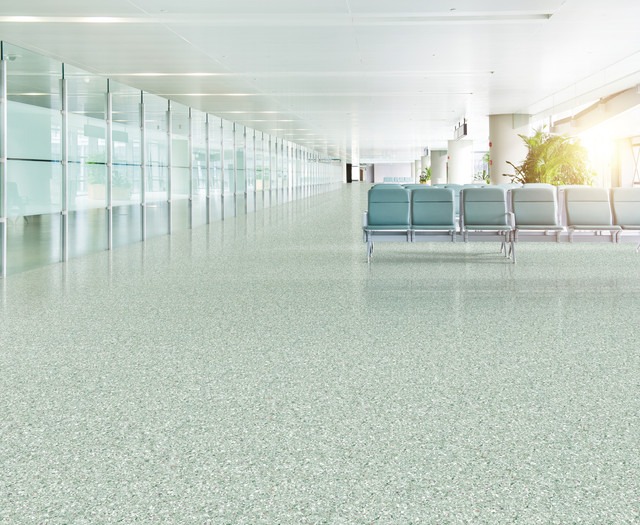
Commercial flooring needs to suit the conditions of each working area. Foot traffic, moisture, cleaning routines and safety requirements all influence product selection. This vinyl flooring buying guide explains the main factors businesses should assess before ordering materials. It also covers construction, performance specifications, installation and purchasing considerations.
What Should You Assess Before Choosing Commercial Vinyl Flooring?
Start by identifying the conditions within each area. A reception space has different requirements from a commercial kitchen. A healthcare corridor also demands different characteristics from an office.
Consider below factors before comparing specific products:
- Expected traffic throughout operating hours
- Exposure to moisture, spills or cleaning chemicals
- Slip resistance requirements for the intended area
- Frequency and intensity of cleaning
- Furniture movement and wheeled equipment
- Acoustic requirements within shared buildings
- Existing subfloor condition and installation constraints
Cleaning routines deserve particular attention during product selection. A business using specific cleaning chemicals needs compatible flooring. Food preparation areas need flooring that supports the required cleaning and hygiene practices, including appropriate treatment of seams and edges. The intended use should determine the initial specification. Colour and pattern can be finalised later once practical requirements become clear.
How Do Different Vinyl Flooring Types Suit Business Premises?
Commercial vinyl comes in several constructions and formats. Each provides different characteristics for applications. Understanding the differences helps narrow the selection before comparing individual products.
Common vinyl flooring types include:
- Sheet vinyl for broad areas with fewer joints
- Homogeneous vinyl with consistent material construction
- Heterogeneous vinyl with multiple material layers
- Luxury vinyl tiles and planks for modular layouts
- Safety vinyl for areas requiring enhanced slip resistance
Sheet flooring provides broad coverage with fewer joints across suitable areas. Heat-welded seams can create a more continuous surface where the installation system allows. This format suits environments where hygiene and easy cleaning receive close attention. Homogeneous products use a consistent vinyl construction throughout the material. Heterogeneous products combine several layers within their construction. Their layered structure allows manufacturers to offer varied decorative finishes.
Luxury vinyl tiles and planks use separate pieces within the overall floor. Their modular format allows different layouts and design patterns. Manufacturers produce options resembling timber, stone and ceramic surfaces. Safety vinyl incorporates specific surface characteristics for areas with greater slip concerns. Commercial kitchens, wet areas and healthcare spaces may require these specialised specifications depending on the conditions and applicable requirements.
Why Does Flooring Performance Matter More Than Appearance?
Commercial flooring needs to withstand the conditions created by daily operations. Colour alone provides little information about how a product will perform.
Review the manufacturer’s technical information for specifications such as:
- Wear resistance
- Slip resistance classification
- Chemical resistance
- Surface treatment
- Fire performance
- Dimensional stability
- Traffic classification
- Approved cleaning methods
Vinyl flooring durability depends on construction and intended application. High traffic areas require products designed for those conditions. Product specifications should match actual usage rather than assumed usage. Slip resistance deserves particular attention in areas exposed to water or grease. Check the product’s current test information against the conditions present onsite.
Cleaning requirements also influence material selection. Some commercial premises require frequent cleaning with specific chemicals. Confirm compatibility through the manufacturer’s maintenance documentation. The floor’s operating environment should remain central to the specification. Decorative appeal should complement the technical requirements.
How Should You Compare Vinyl Flooring Options Before Buying?
Once the requirements are clear, compare products against consistent criteria. This creates a more structured purchasing decision and reduces selection based solely on appearance.
| Selection factor | What to check |
| Traffic | Confirm suitability for expected daily use |
| Moisture | Check suitability for wet or damp areas |
| Slip resistance | Review current product test results |
| Cleaning | Confirm approved cleaning methods and chemicals |
| Construction | Compare sheet, tile, plank or layered formats |
| Maintenance | Review surface treatment and care requirements |
| Installation | Check subfloor and adhesive requirements |
| Warranty | Read coverage conditions and exclusions |
A vinyl flooring supplier should provide current technical information for the products under consideration. Ask for product specifications rather than relying on general descriptions. Subfloor preparation requires attention before ordering materials. Vinyl installation depends on suitable substrate conditions and compatible installation products. Moisture within concrete substrates also requires assessment before installation.
Consider future repairs before selecting the format. Modular products allow individual pieces to be replaced where the product and installation system permit it. Sheet flooring follows a different repair process because damaged sections form part of a continuous installation. Samples should also form part of the selection process. View them under the premises’ actual lighting conditions. Check them beside walls, cabinetry and other permanent finishes before confirming the final colour.
Making a Practical Flooring Decision
The right commercial floor starts with the conditions it needs to handle. Construction, safety requirements, cleaning demands and installation factors should guide the final specification.
Use this vinyl flooring buying guide to compare products against your business requirements. A clear specification makes product comparisons easier and reduces unsuitable purchasing decisions.
Ready to Choose Your Commercial Flooring?
With the right information, you can make your next flooring decision. Contact CarpetAce to discuss your business flooring requirements and arrange the next step.
FAQs
1. Can vinyl flooring be repaired after localised damage?
Some vinyl products allow local repairs, depending on their construction and the extent of damage. Sheet flooring and modular products require different repair methods. The availability of matching material also affects the practicality of a repair.
2. Does vinyl flooring contain recycled material?
Some manufacturers use recycled materials in commercial vinyl flooring. The amount of recycled content varies between products. Check the manufacturer’s environmental information for the exact recycled content.
3. Can businesses recycle removed vinyl flooring?
Recycling availability depends on the product composition, contamination, and local processing facilities. Commercial flooring should not automatically enter general recycling streams. Check local waste requirements before arranging disposal.
4. Does vinyl flooring produce odours after installation?
Some newly installed flooring products may produce an odour for a period after installation. Ventilation requirements depend on the flooring, adhesive and installation system. Follow the manufacturer’s installation and occupancy guidance.
5. Can vinyl flooring be installed in a heritage commercial building?
Heritage buildings may have additional requirements affecting flooring alterations. Building approvals, existing substrate conditions and heritage restrictions should be checked before work begins. The relevant requirements depend on the property’s classification and location.
6. How should unused vinyl flooring be stored before installation?
Keep unused vinyl flooring in the conditions specified by the manufacturer. Store the material in a suitable position and protect it from damage. Follow the product instructions to keep the flooring ready for installation.