
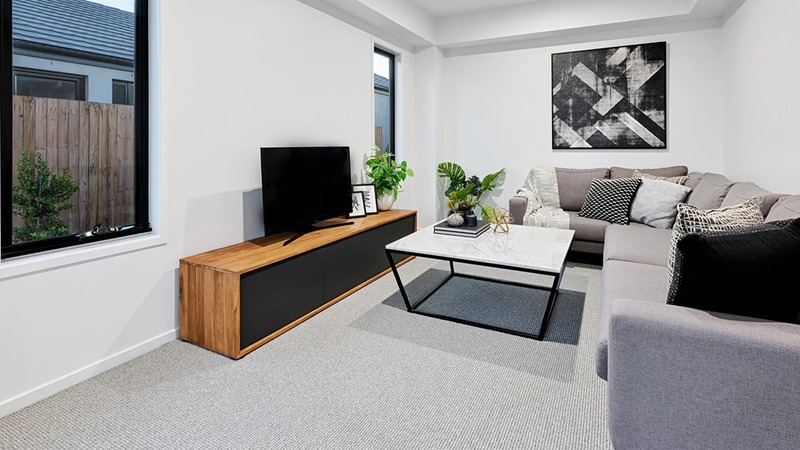
The wrong flooring choice creates problems long after the initial installation. Carpet, vinyl and timber each offer different performance characteristics for residential interiors. Carpet adds softness and acoustic comfort, while vinyl provides a resilient surface for practical areas. Timber creates a natural finish but requires careful attention to moisture and installation conditions.
For homeowners comparing flooring options in Vermont South, the decision should begin with room function. Traffic, cleaning requirements, moisture exposure and installation conditions all influence the suitable material.
How Do Carpet, Vinyl and Timber Compare?
The three flooring types differ in construction, maintenance and underfoot characteristics. Those differences make each material more suitable for particular rooms and household requirements.
| Flooring Type | Key Advantage | Main Consideration | Common Applications |
| Carpet | Softness and acoustic comfort | Requires suitable cleaning and stain care | Bedrooms, lounges, studies |
| Vinyl | Practical surface maintenance | Product specifications vary considerably | Kitchens, meals areas, utility rooms |
| Timber | Natural appearance and grain variation | Sensitive to moisture and environmental changes | Living areas, hallways, bedrooms |
Carpet provides a softer surface than hard flooring. It also reduces reflected sound within occupied rooms. These characteristics suit spaces where comfort and quieter interiors matter.
- Vinyl offers a resilient finished surface with straightforward day to day cleaning.
- Timber introduces natural grain, colour variation and a solid underfoot character. Its response to moisture makes site conditions particularly important before installation.
Different products have different construction, wear, and installation specifications, so product selection needs closer attention than the material name alone suggests.
What Should You Consider When Choosing Carpet?
The intended use of each room should guide carpet selection. Bedrooms, hallways and living spaces place different demands on pile construction, fibre and underlay. Carpet flooring options in Vermont South cover different fibres and pile structures. Each combination affects the surface texture, appearance, resilience and cleaning requirements.
Key points to assess include:
- Fibre: Wool and synthetic fibres have different performance and care characteristics
- Pile: Cut and loop constructions create distinct textures and visual effects
- Traffic: Hallways and family rooms require flooring suited to repeated foot movement
- Staining: Dining and family areas need practical choices around spill exposure
- Underlay: The selected underlay influences support, comfort and the finished feel
The cleaning method should match the carpet specification. Regular dry soil removal helps limit abrasive particles within the pile. Spills require prompt treatment using the manufacturer’s recommended procedure. Room layout also affects carpet planning. Seams, joins, furniture placement and doorway positions should be considered before installation. These details influence both the finished appearance and practical maintenance. For homeowners considering carpet flooring in Vermont South, the material should support the room’s actual use rather than simply match its existing decor.
Where Does Vinyl Make Practical Sense?
Vinyl suits areas where surface cleaning and everyday resilience carry greater importance. Its available formats also provide different installation and design possibilities. Vinyl flooring in Vermont South includes products with different constructions, formats and performance specifications. Sheet and plank style products require different installation considerations.
Before selecting a product, assess:
- Wear requirements: Busy areas need a surface suited to expected foot traffic
- Cleaning: Check the manufacturer’s approved cleaning products and methods
- Substrate: Uneven surfaces may affect the finished appearance
- Installation: Follow the requirements specified for the selected flooring system
- Moisture exposure: Confirm that the product suits the conditions of its intended room
Vinyl selection should also account for the existing floor structure. The substrate needs appropriate preparation before installation. Floor height, transitions and adjoining surfaces should form part of the planning process.
Slip resistance requirements also deserve attention in areas covered by the National Construction Code. The Australian Building Codes Board identifies specific slip resistance provisions for certain stairs, ramps and landings. Its guidance also refers to testing requirements for materials including vinyl, timber and carpet.
Why Does Timber Require Careful Site Assessment?
Timber responds to changes in moisture within its surrounding environment. Installation therefore requires more than choosing a species or colour that suits the interior. When comparing timber flooring in Vermont South, consider the product construction alongside the conditions inside the property. Solid and engineered timber use different constructions, so installation requirements vary between systems.
Important site considerations include:
- Subfloor: Check the substrate’s condition, level and moisture status
- Moisture: Excess moisture may contribute to movement or dimensional changes
- Indoor conditions: Humidity affects timber as its moisture content changes
- Installation method: Follow the requirements specified for the selected product
- Ongoing care: Cleaning and coating requirements depend on the flooring system
Wood solutions explain that timber flooring responds to changes in moisture and humidity. Its technical guidance highlights moisture management, site assessment and appropriate preparation before installation. Hard timber surfaces also transmit impact sound more readily than softer floor coverings. Wood solutions identify this characteristic and discuss acoustic considerations for timber flooring.
Natural light presents another consideration. Timber may change colour with prolonged exposure, particularly where sections of the floor receive different amounts of sunlight. Window treatments and appropriate product care help manage this change.
How Should Flooring Selection Follow Room Use?
A practical flooring plan does not require one material throughout the property. Different rooms may benefit from different surface characteristics.
For residential flooring in Vermont South, assess each space according to its specific demands:
- Bedrooms: Consider surface softness, warmth and acoustic characteristics
- Living areas: Balance appearance with expected traffic and furniture use
- Hallways: Focus on construction suited to concentrated foot movement
- Kitchens: Prioritise cleaning requirements and exposure to food spills
- Dining areas: Account for potential staining and chair pulls
- Entry spaces: Consider outdoor dirt, moisture and repeated access
Open plan layouts introduce another decision. A continuous surface creates visual consistency between connected spaces. Separate materials create clearer functional zones. Floor height also matters where different materials meet. Carpet, vinyl and timber have different installation profiles. Doorways, cabinetry and transition points should be checked before products are ordered.
The existing substrate can further influence the selection. Some flooring systems require specific preparation, moisture conditions or installation methods. Confirming these requirements early reduces the risk of unsuitable material choices.
Making a Practical Flooring Choice
The right flooring decision depends on the requirements of each room. Carpet, vinyl and timber each provide distinct characteristics that suit different residential applications. Start by assessing traffic, cleaning routines, moisture exposure and substrate conditions. Then consider appearance, underfoot characteristics and maintenance requirements.
For homeowners comparing flooring options in Vermont South, this room-by-room assessment provides a more useful basis for selection than appearance alone. Product specifications and installation requirements should confirm the final choice.
Ready to compare flooring options based on your property’s actual requirements? Contact CarpetAce to discuss flooring options for your Vermont South homes and take the next step towards the right floor. As a family-owned flooring business, CarpetAce brings over 40 years of flooring experience to every project. With our mobile showroom, we come to you, making it easier to compare flooring options for your Vermont South property.
FAQs
1. How long should flooring samples remain in a room before selection?
Keep samples in the intended room across different lighting conditions. This helps reveal how surface colour and texture interact with walls, furnishings and natural light.
2. Can different flooring materials meet at an open doorway?
Yes. Different surfaces can meet at doorways when installers plan the transition correctly. Floor heights, joining details and suitable trims require consideration before installation.
3. Does underfloor heating affect flooring selection?
It might affect. Check the flooring manufacturer’s suitability requirements before choosing a product. Temperature limits, installation methods and moisture conditions differ between flooring systems.
4. Should existing skirting boards be removed before new flooring installation?
That depends on the flooring system and installation method. Existing skirting, architraves and door clearances should be assessed before work begins.
5. Can flooring be installed around existing built-in furniture?
In some cases, yes. The installation method and flooring type determine whether fixed cabinetry can remain in place. Confirm access requirements with the installer before work begins.
6. Do different flooring types require different expansion gaps?
Yes. Flooring materials respond differently to environmental changes. Follow the manufacturer’s specified expansion and perimeter requirements for the selected product.